
Lake Travis Waterfront: Rough Hollow Buyer’s Market Guide
December 18, 2025
December 18, 2025
Thinking about a waterfront home in Rough Hollow but unsure how to navigate a buyer’s market on Lake Travis? You are not alone. Waterfront brings lifestyle and long-term value, but it also adds unique due diligence, from dock rights to flood maps. In this guide, you will learn how to leverage current market conditions, what to inspect, and which approvals to check so you can buy with confidence. Let’s dive in.
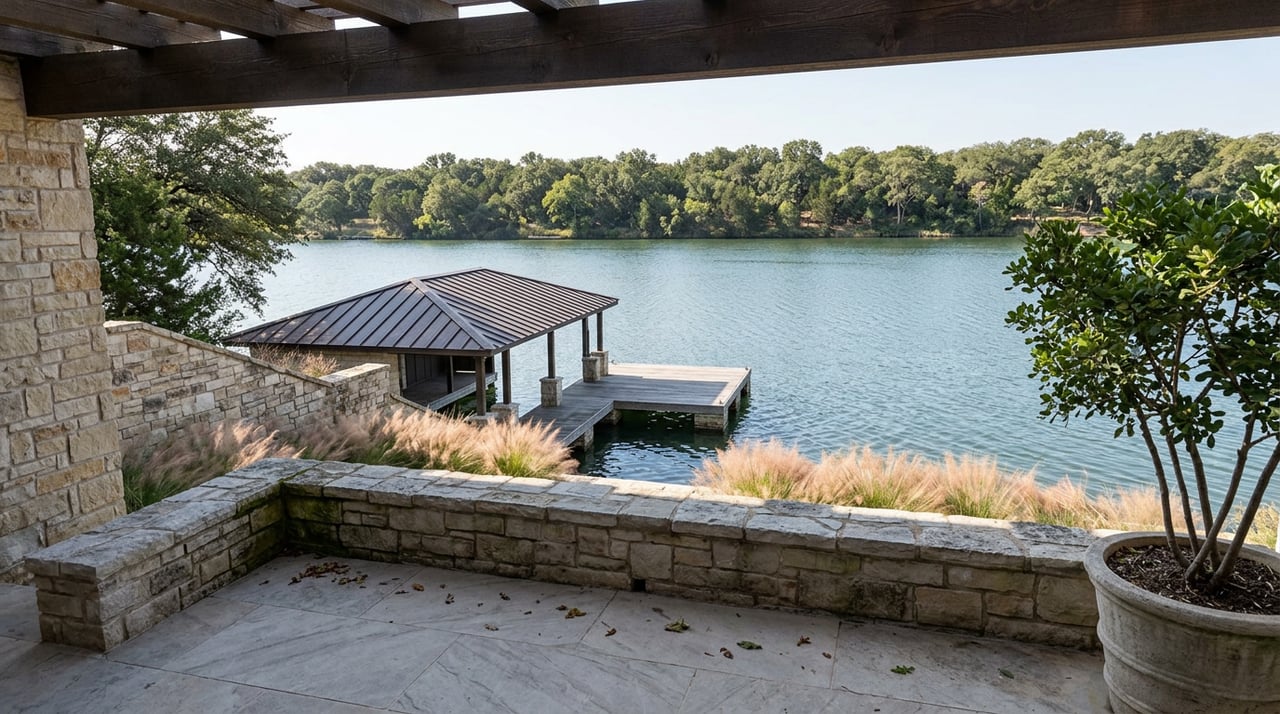
Rough Hollow is a master-planned, waterfront community on Lake Travis in Travis County known for an amenity-rich lifestyle, a private marina, and a range of luxury homes. You will find primarily single-family homes and custom lots, along with some townhome or patio-style options. Waterfront and water-view properties vary, including dock-eligible lots, sloped shoreline, and homes that rely on a shared or marina-based slip.
If a lake lifestyle is a priority, Rough Hollow puts you close to boating, parks, and community facilities. Before you fall in love with a view, match the property type and shoreline access to your actual needs and boating plan.
The Austin area saw rapid appreciation during the COVID years and then a cooling as rates rose and inventory normalized. In a buyer’s market, you often see more active listings, longer days on market for niche or over-priced properties, and sellers who are more open to concessions. Waterfront segments can behave differently, with longer marketing timelines and stronger price resistance.
Use this to your advantage by negotiating not only on price, but also on repairs, closing costs, and specific waterfront upgrades. To track local context, review current data from the Austin Board of REALTORS market reports and compare it with broader trends from the National Association of REALTORS.
Lake Travis is a managed reservoir. Water levels rise and fall with season, weather, and operations by the Lower Colorado River Authority. These swings affect boating access, dock usability, shoreline appearance, and sometimes buyer sentiment. In general:
Before you write an offer, review historical lake levels and current information from the LCRA. Plan for how seasonal fluctuations might impact your use of the dock, your view, and your maintenance costs.
Waterfront deals layer extra complexity onto the standard home purchase. Use this checklist to protect your interests.
Ownership near the water can be nuanced. Rules around submerged land, the precise waterline, and littoral or riparian rights can affect whether you own to the water or access the lake through lease or easement.
Confirm whether an existing dock is included, permitted, and transferable. In many Lake Travis communities, docks or slips sit on LCRA-managed land and may require leases or approvals.
Waterfront pockets may sit in special flood hazard areas. Even when a home is outside a FEMA zone, lenders or insurers may still price for local risk.
Shorelines may be natural, stabilized, or built up with seawalls and retaining structures. Erosion control and bulkhead repairs can be costly.
Some lakefront lots use septic systems. Others connect to municipal service. System type affects cost, maintenance, and loan eligibility.
Rough Hollow properties are typically subject to HOA or POA rules. These can govern docks, shared access paths, parking, exterior changes, rentals, and amenity use.
Shoreline work, docks, bulkheads, decks, and new construction can trigger permits across different jurisdictions. Confirm requirements with the City of Lakeway and Travis County.
Beyond the general home inspection, waterfront buyers should plan for specialized evaluations that can materially impact negotiations and future cost of ownership.
Each item helps you price risk, request credits, or adjust your offer terms.
Lenders and appraisers often treat waterfront as a specialty segment. Appraisals may require comparable sales with similar shoreline type, dock status, and lot characteristics. If comps are thin, plan for added appraisal scrutiny and longer timelines. Conventional loans are typical, and government-backed loans may require particular property conditions.
Waterfront homes often carry higher homeowner insurance costs due to proximity to water and high-value structures like docks. Flood insurance is typically a separate policy. Even when not required by a lender, many buyers choose to carry it. For policy types, deductibles, and rating factors, consult the Texas Department of Insurance and get quotes early in your process.
Waterfront land and improvements commonly receive premium assessments. To understand current and future liability, review property records and exemptions with the Travis Central Appraisal District. If the market softens, future valuations may adjust, but plan conservatively and ask your agent about recent tax history and appeal timelines.
Water, shoreline, and habitat are regulated by multiple entities. Align your plans with local rules upfront to avoid delays.
When inventory outpaces demand, you can structure offers that protect your interests while signaling seriousness.
Align goals and budget. Define your must-haves for dock access, views, and home features. Review current data from the Austin Board of REALTORS.
Preview shoreline types. Tour different lots and elevations to see how boat access and views change with lake levels.
Get preapproved and insurance quotes. Engage a lender early and request homeowner and flood estimates from the Texas Department of Insurance resources.
Write a focused offer. Use the right comps and include time for specialized inspections and LCRA review.
Execute inspections. Order the marine, septic, geotechnical, and survey work you need to price risk accurately.
Negotiate credits. Tie requests to documented findings like dock deficiencies, erosion, or septic lifespan.
Finalize permits and documents. Clear title items, transfer any dock leases, and confirm HOA approvals.
Use this quick list to stay organized as you prepare your offer and option period.
When you combine the right inspections, accurate comps, and a clean paper trail on docks and shoreline rights, you position yourself to capture value without taking on unwanted risk.
Ready to explore Rough Hollow’s waterfront with a clear plan and a skilled negotiator at your side? Schedule a complimentary consultation with Shavonne Martin to map your search, review due diligence, and move forward with confidence.






Get assistance in determining current property value, crafting a competitive offer, writing and negotiating a contract, and much more. Contact me today.