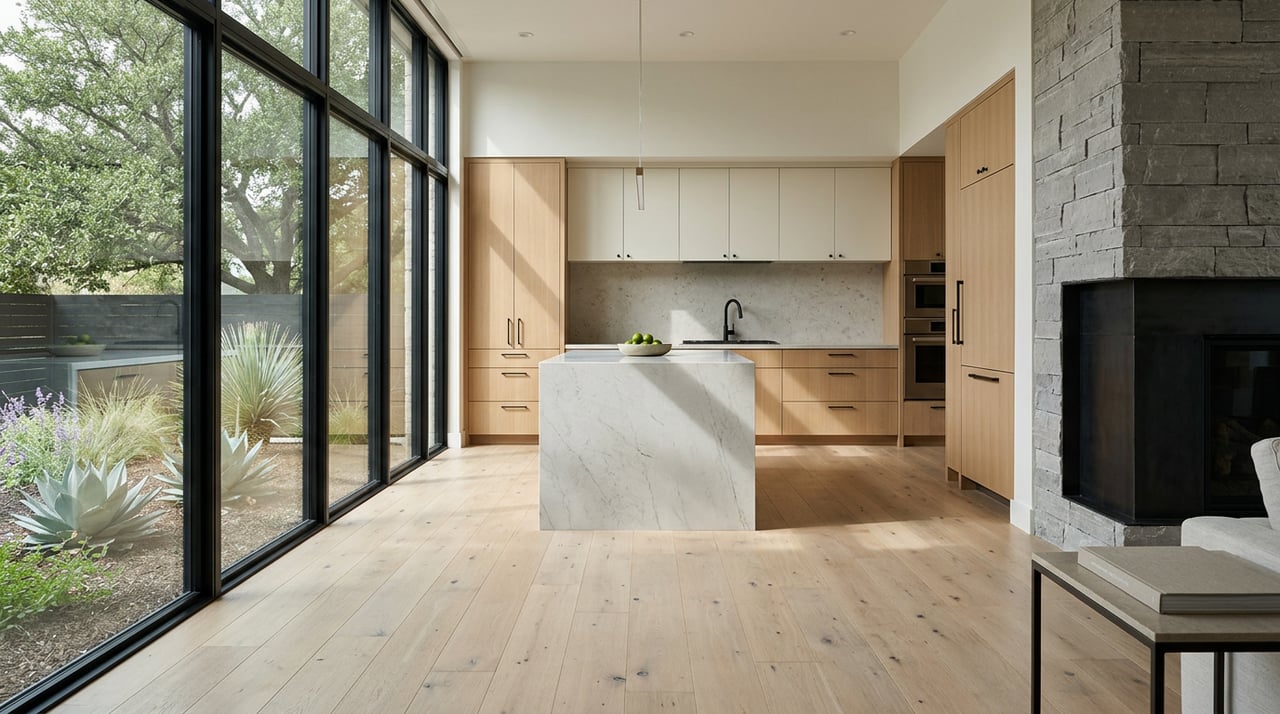
Pricing Your West Lake Hills Home for Maximum Interest
March 12, 2026
March 12, 2026
Pricing your West Lake Hills home well is one of the fastest ways to spark real interest and protect your bottom line. In a luxury, low-volume market like 78746, a small misstep can mean fewer showings and longer days on market. In this guide, you’ll learn how agents build a data-driven pricing range, which West Lake Hills features influence value most, and simple tactics that help your home stand out from day one. Let’s dive in.
Public portals often show very different numbers for West Lake Hills. Recent snapshots ranged from an average value near $1.99M to medians around $3M and above. These gaps come from different methods and small sample sizes rather than a single “true” number. In a market with only a handful of monthly sales, one high-end closing can swing a median noticeably.
Local reporting tied to MLS data also shows how quickly sales counts and medians can move month to month. A single surge or lull can tilt the median without signaling a lasting trend. That is why your pricing should rely on a local MLS comparative market analysis rather than a single portal figure or outlier sale. In short, treat portal numbers as broad context, not as a pricing target.
Across Greater Austin, buyers gained negotiating power compared with the pandemic peak. Many homes now sell below original list, and price reductions increased in 2024 and 2025. In that environment, accurate, evidence-based pricing in West Lake Hills is more important than ever to avoid chasing the market later.
The best CMAs focus first on your immediate street and subdivision, then expand only when truly necessary. Appraisal guidance requires comparables to be the most locationally and physically similar available. That means your agent documents any time or boundary adjustments so the analysis stays defensible to buyers, lenders, and appraisers. See the principles in the Fannie Mae Selling Guide on acceptable appraisal practice for reference.
In a low-turnover, high-value pocket like West Lake Hills, your CMA may include 6 to 12 months of sales, plus pending and active listings to read buyer appetite. When comps are scarce, older sales can be used with documented market adjustments. The goal is to choose the fewest, most logical adjustments so the comps tell a clear story. Appraisers emphasize arriving at credible values even when comps are few by explaining the why and how behind each adjustment.
Adjustments should be tied to features buyers actually pay for: view corridors, proximity to Lake Austin and downtown, lot acreage and usability, finished square footage and layout, condition and finish quality, pools and guest houses, and parking. Each change should be supported by local market evidence.
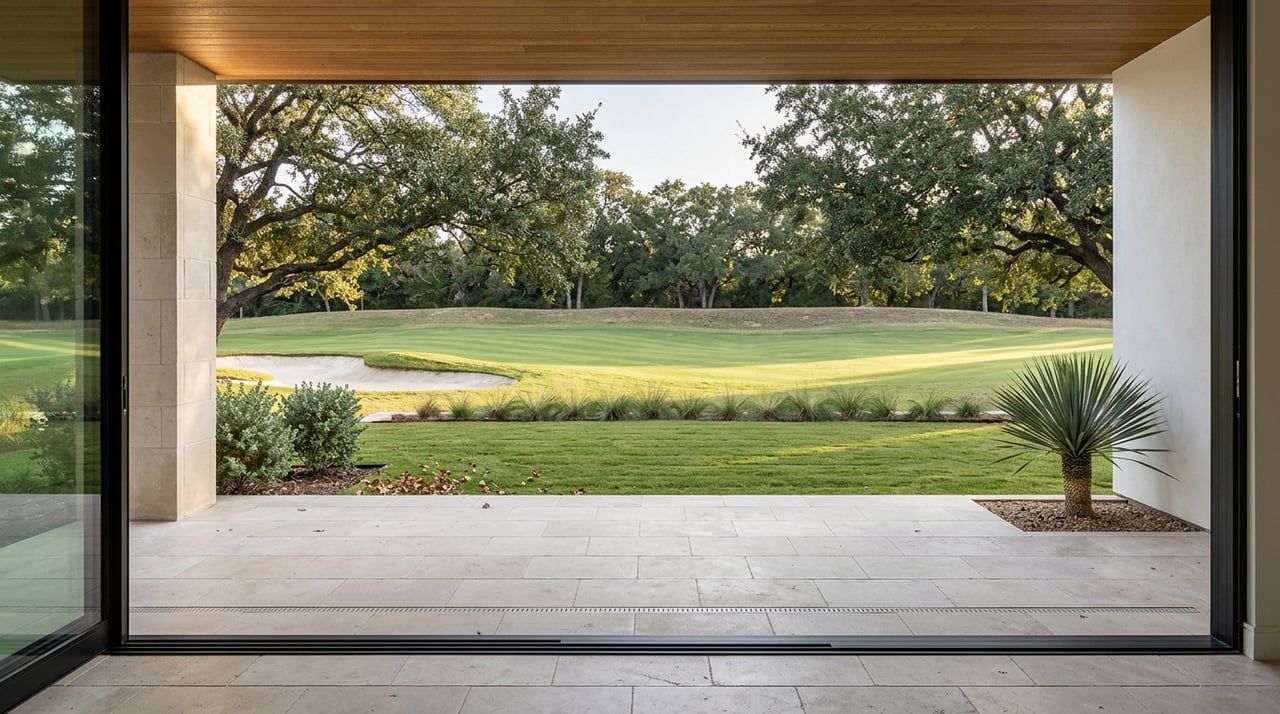
Buyers often choose West Lake Hills for its Hill Country setting above Lake Austin, privacy, and quick access to downtown. Many are also motivated by access to the local school district and short commutes to nearby activity nodes. Homes with lake or skyline sightlines, deep usable lots, private drives, or strong outdoor living spaces tend to command premiums. The nuance is real: two homes with similar square footage can trade differently due to topography, driveway approach, or yard usability.
Imagine two homes with similar size and finish on the same West Lake Hills street. Home A sits on a mostly level, usable lot with a private driveway and a curated outdoor living area. Home B has comparable square footage, but most of the lot is steep slope with limited functional yard and tighter parking.
Even with similar interiors, buyers see different day-to-day experiences. Home A supports gatherings, easy parking, and a simple landscape plan. Home B limits outdoor use and can feel more constrained. In a CMA, the agent would reflect this by adjusting for lot usability and access. The result is a different pricing range for each property, even on the same block.
Set your list price where your most likely buyer is searching. Buyers use price filters, so a home listed just over a common threshold may be invisible to a large slice of the audience. In the luxury range, those thresholds are higher, but the principle is the same. Your agent should analyze where recent, very similar sales cleared and position you inside that buyer band. Listings that launch in line with the market often see stronger early traffic and cleaner outcomes than those that start high and require multiple reductions.
Early momentum matters. Invest in professional photography, twilight exteriors, accurate floor plans, and if appropriate, a 3D tour. Consider a pre-listing inspection if your home is older or you suspect deferred maintenance. Pre-list inspections can reduce fall-through risk and build buyer confidence by surfacing issues before negotiations begin.
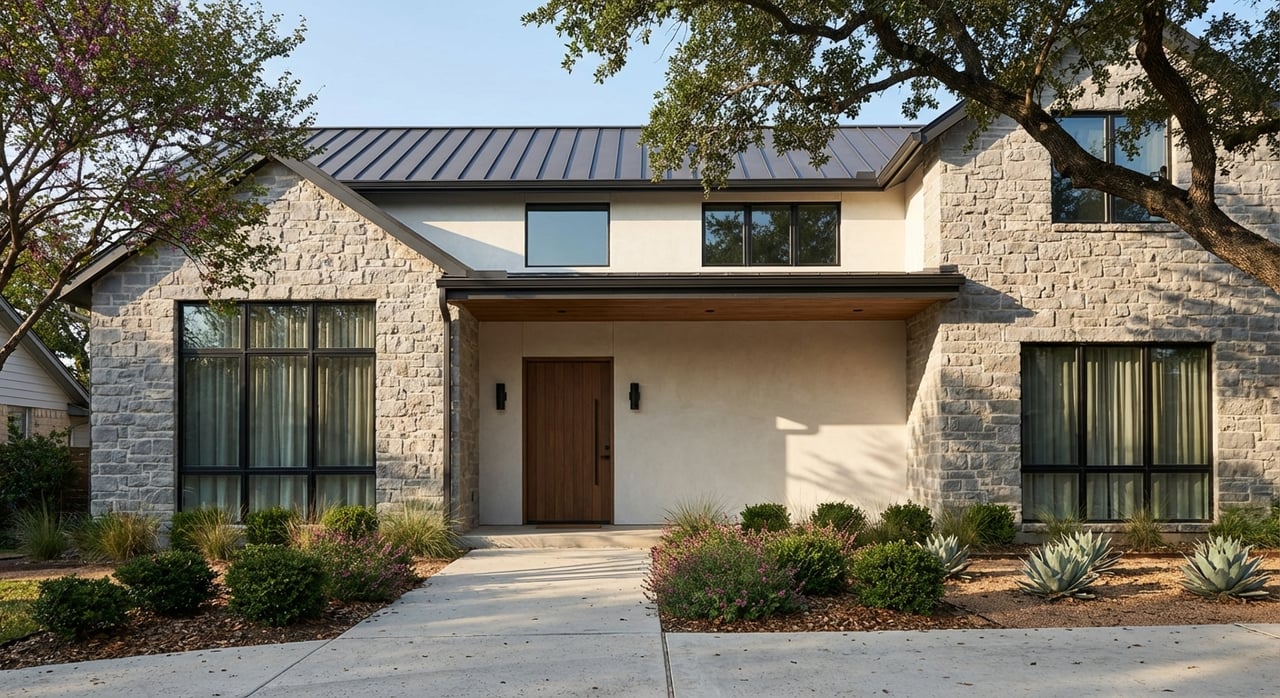
Use a staging budget where it has the most impact: curb appeal, entry, kitchen, main living, and the primary suite. Target quick, high-ROI updates like fresh paint, new hardware, and landscape refreshes over major remodels that will not change core functionality.
Launch to hit peak search days, typically Thursday or early Friday. The first two weeks are your highest-visibility window. Set clear benchmarks for showings, online saves, and offers, and agree in advance on what will trigger a pricing review. A 7 to 14 day cadence helps you respond to market feedback with data rather than emotion.
When you price with clear local evidence and launch with premium presentation, you invite the right buyers to act quickly. If you’d like a data-backed pricing range for your West Lake Hills home and a custom launch plan, schedule a complimentary consultation with Shavonne Martin.



Get assistance in determining current property value, crafting a competitive offer, writing and negotiating a contract, and much more. Contact me today.