
What It’s Like To Live in Lost Creek, TX
February 5, 2026
February 5, 2026
Looking for hill‑country views without giving up West Austin convenience? If you want privacy, mature trees, and a calm neighborhood feel with quick access to major routes, Lost Creek in 78746 is worth a close look. In this guide, you’ll learn how the neighborhood is laid out, what kinds of homes you’ll find, what daily life feels like, and the key due‑diligence items to check before you buy. Let’s dive in.
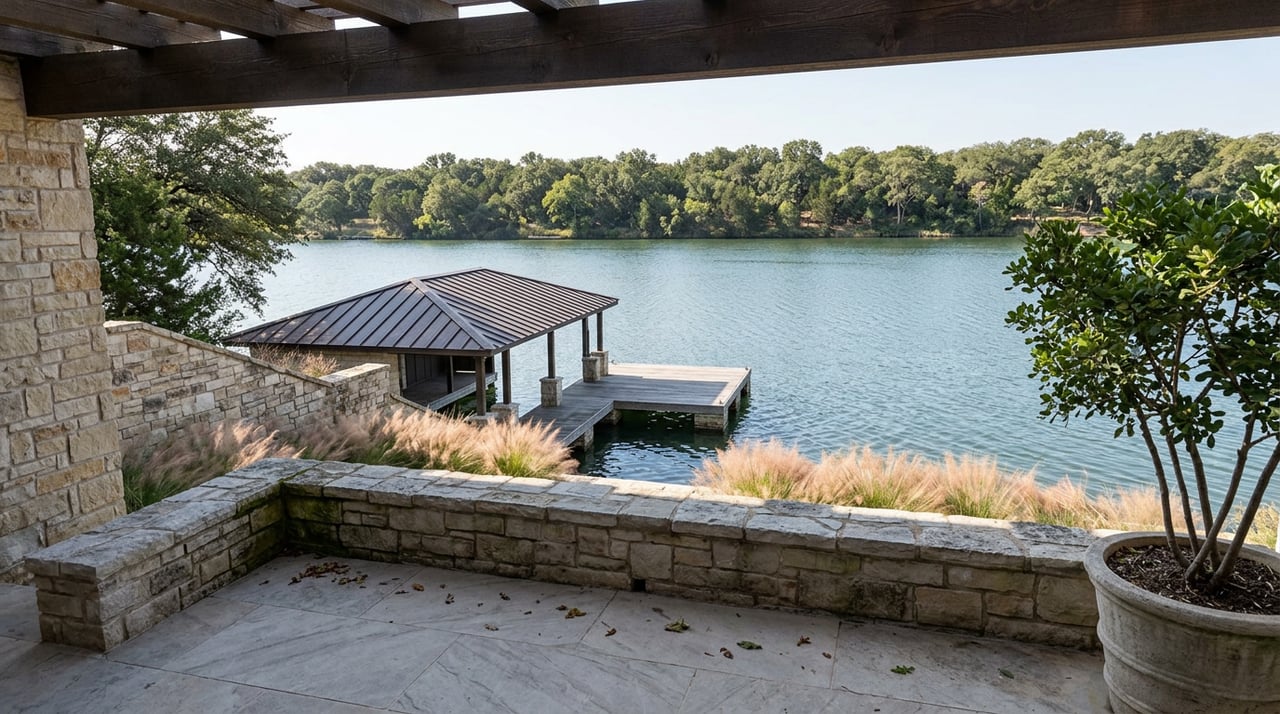
Lost Creek is a West Austin neighborhood in Travis County, roughly 8 to 12 miles west of downtown Austin depending on your route. You connect to the rest of the city using Loop 1 MoPac for north–south travel and Bee Caves Road or Loop 360 for east–west trips. The area blends city access with a hill‑country setting, so you get tree cover, limestone outcrops, and rolling streets.
The built form is primarily low‑density residential. You’ll see single‑family homes on varied lot sizes, with a few gated pockets and private cul‑de‑sacs. Streets follow the terrain rather than a strict grid, which adds character but also makes every block feel a little different.
Governance varies by section. Many properties fall under an HOA or POA with deed restrictions, architectural controls, and sometimes private amenities like pools or tennis courts. An active neighborhood association in different sections supports community updates and security or traffic coordination. Always verify the exact HOA or POA for a specific address.
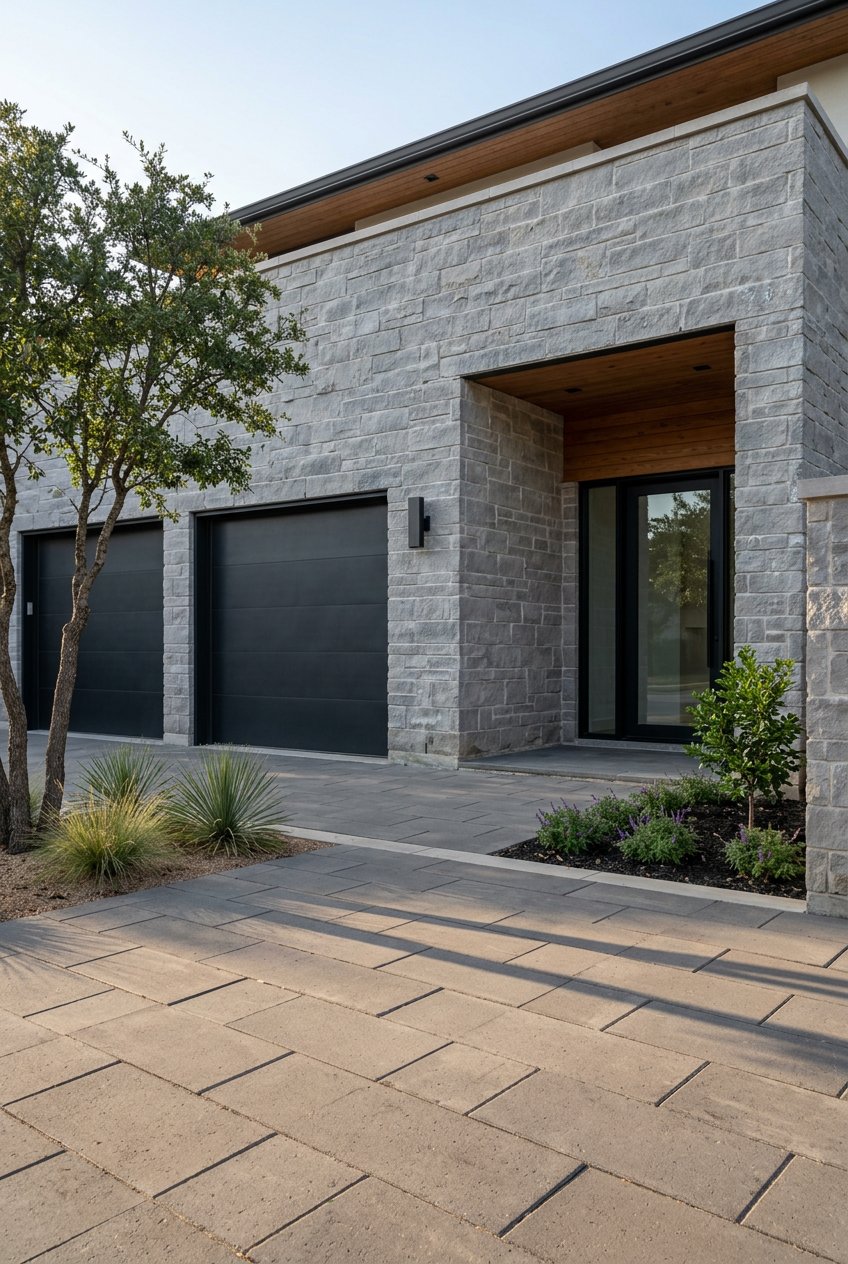
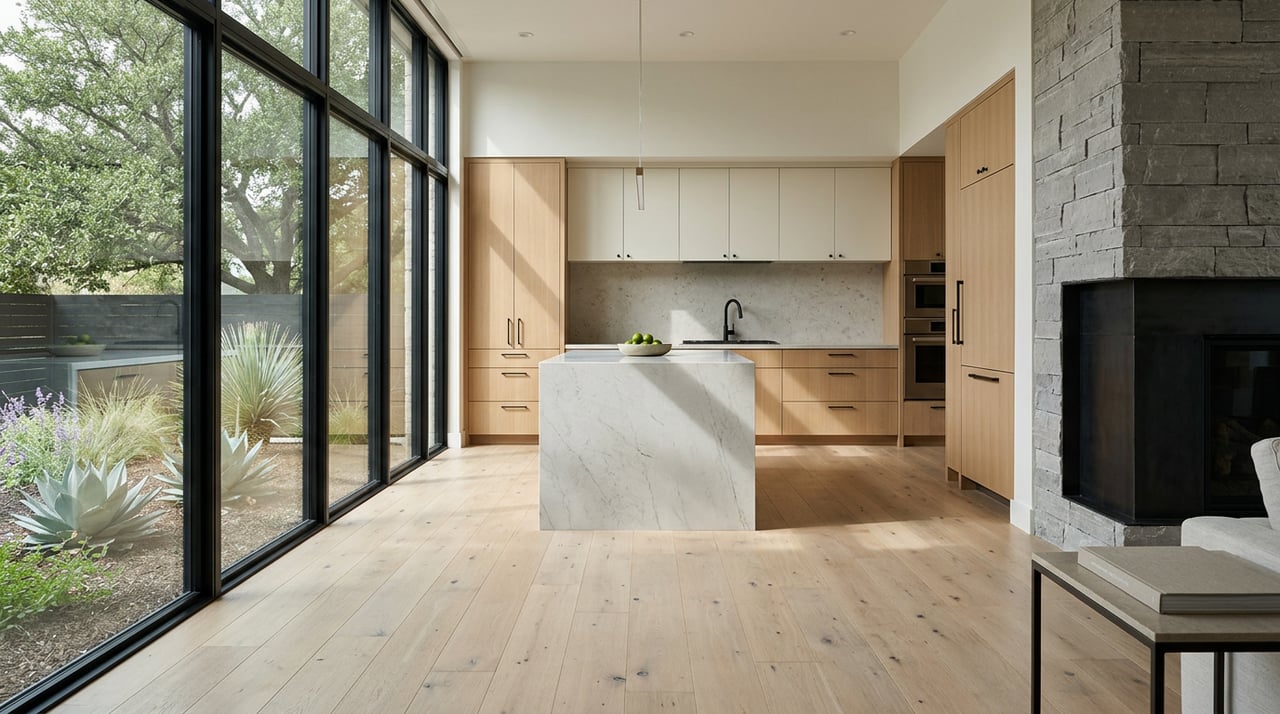
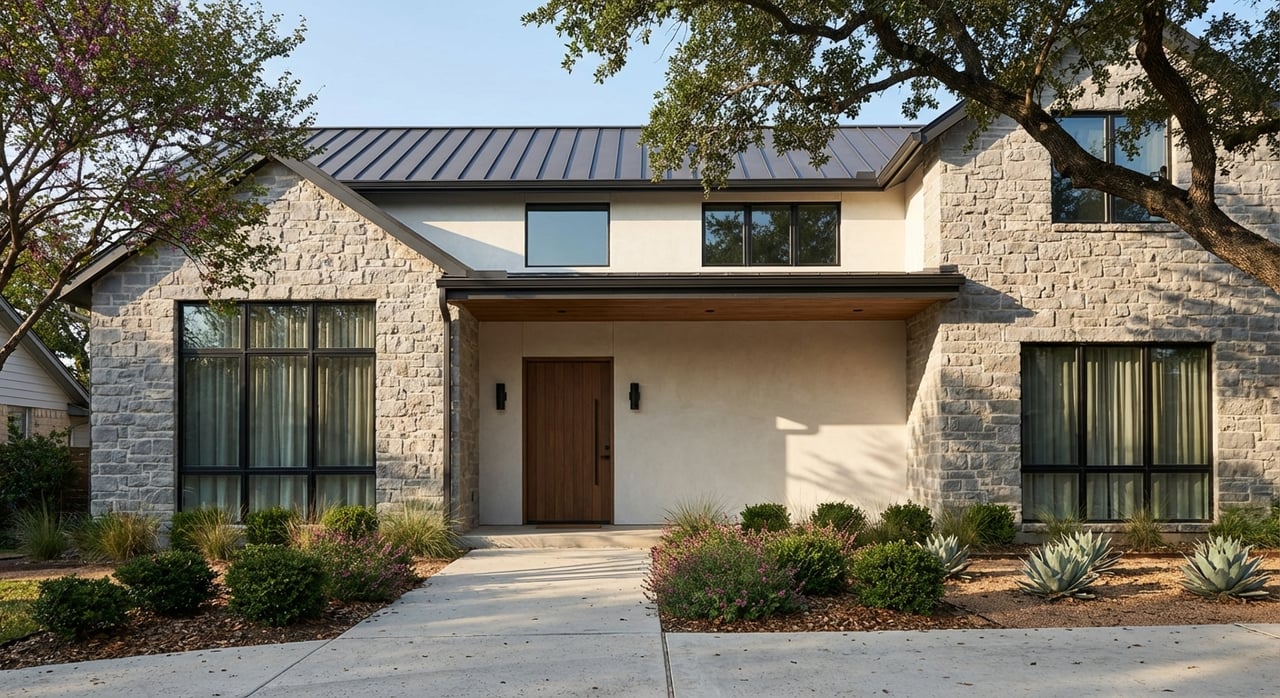
Expect a mix of Hill Country and contemporary styles. You’ll see ranch layouts, modern Hill Country designs, Mediterranean or Spanish influences, and newer transitional builds. Original homes from the late 20th century are common, and many have been remodeled or rebuilt to today’s standards.
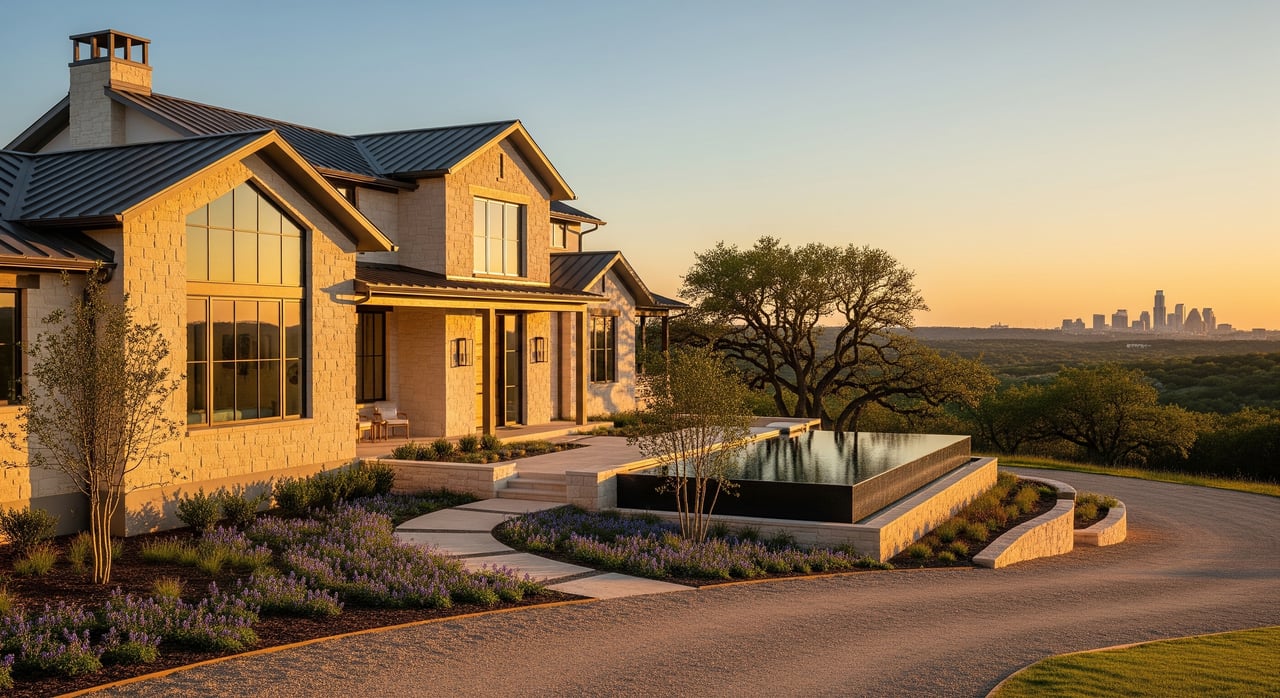
Lot sizes vary from smaller infill sites to larger estate‑style parcels on the edges. Sloping topography is typical. Many homes are sited to capture greenbelt or hilltop views, or to create privacy buffers with native landscaping and mature oaks.
Resale activity is steady but limited compared with more suburban areas. When older homes trade, buyers often renovate or rebuild, especially on view lots. Cost and demand are driven by lot size, outlook, renovation level, and proximity to major arterials or private amenities.
You’ll handle most errands along Bee Caves Road, Loop 360, or the MoPac corridor. Grocery stores, clinics, and service providers sit in these retail nodes, usually a short drive from most homes. The neighborhood is more car‑dependent than walkable for daily shopping.
Dining ranges from casual to higher‑end in nearby Westlake and along Bee Caves and Loop 360. You’re also within a short drive of professional services, fitness studios, and medical clinics.
Walkability varies block by block. Some streets have sidewalks and lighter traffic, but the terrain is hilly and distances to shops are longer. If walkability is a priority, compare specific streets and pocket‑level maps before you decide.
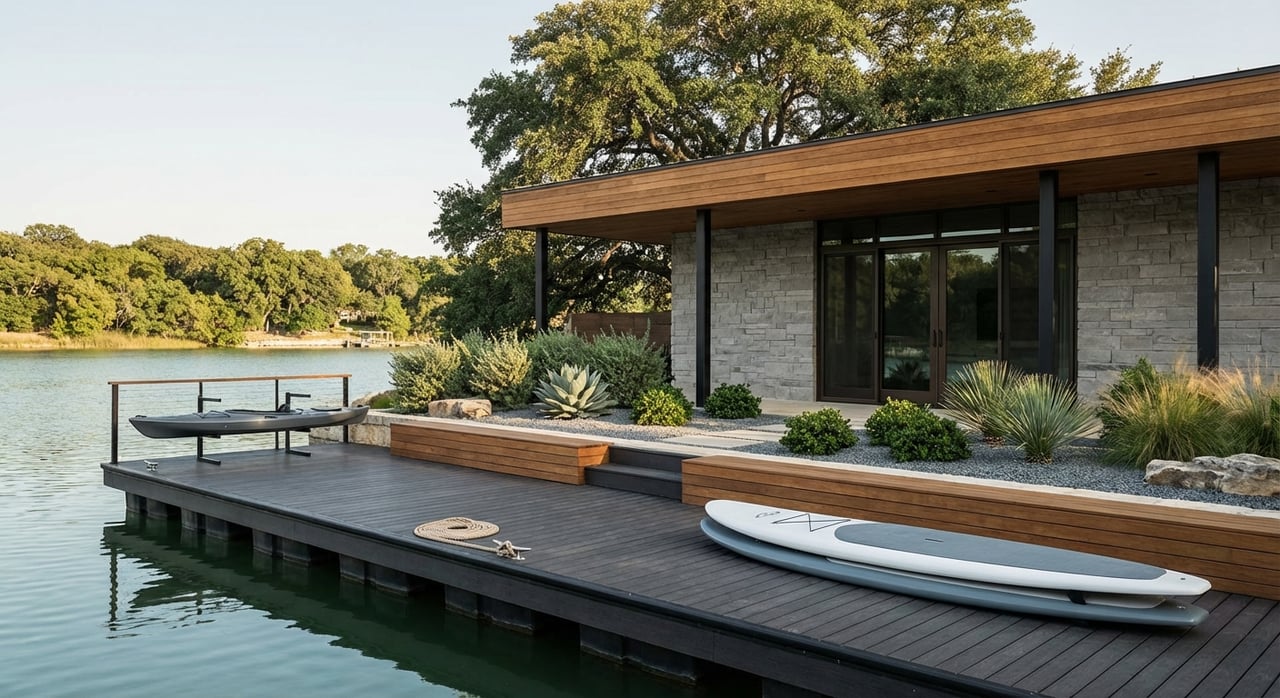
Lost Creek supports an outdoor lifestyle shaped by rolling hills and shaded streets. Many homes have yards oriented to privacy and views, and the terrain suits hiking or trail running more than flat‑surface neighborhood biking. Nearby green spaces, including sections of the Barton Creek corridor and other West Austin preserves, are accessible by short drive for longer outings.
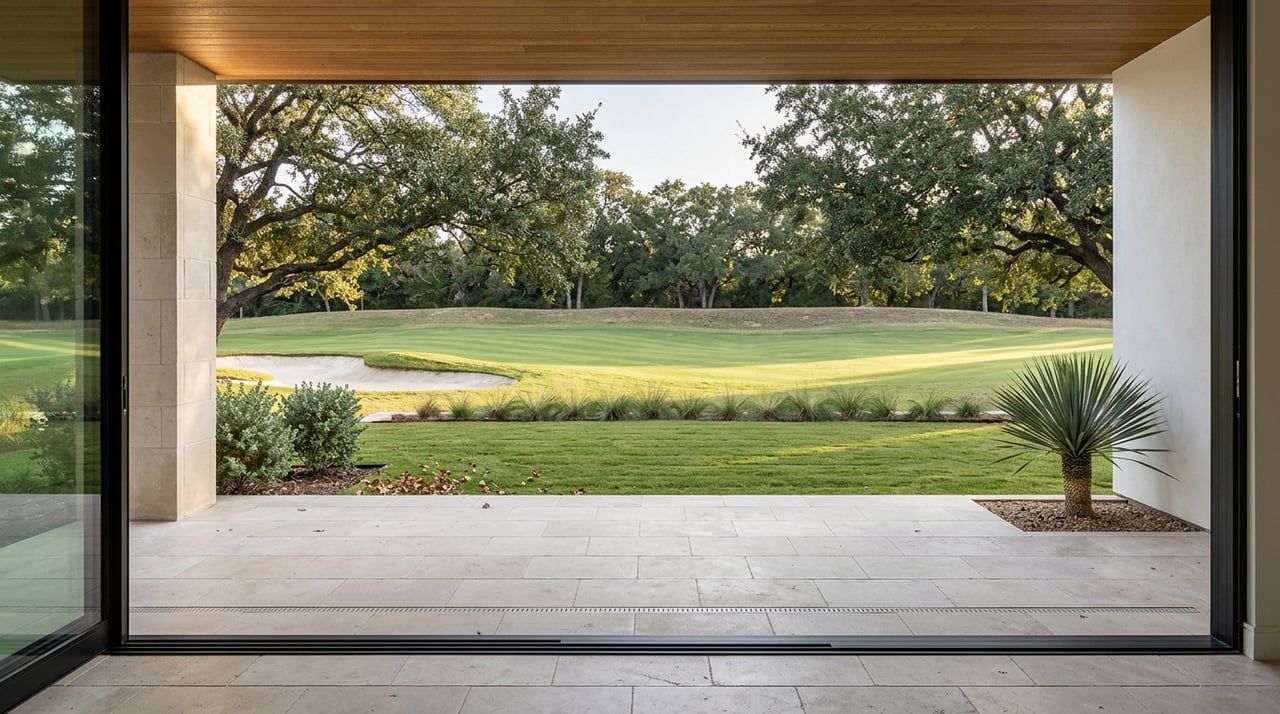
Some neighborhood sections offer private pools and tennis courts through their HOAs, and there is a private country club and golf presence in the broader Lost Creek and Westlake area. Confirm current membership rules and access if these amenities are important to you.
Most residents commute by car. MoPac handles north–south trips, while Bee Caves Road and Loop 360 are the main east–west choices. Public transit exists in some nearby corridors, but routes and frequency are lighter than in central Austin. Cycling for recreation is common, though hill climbs and variable shoulders make daily bike commuting more challenging.
Travel times vary with Austin traffic. Off‑peak drives to downtown are often under 30 minutes, while rush hour can add 20 to 40 or more minutes depending on incidents and route. Test your commute at your typical times and compare MoPac versus Loop 360 to see what fits your routine.
Before you write an offer, line up a clear plan for property checks in Lost Creek:
If a calm West Austin setting with hill‑country character is on your wish list, Lost Creek deserves time on your tour. I help you compare specific streets, evaluate lot and foundation conditions, and plan for HOA or remodeling approvals so you can move forward with confidence. When you are ready, schedule a complimentary consultation with Shavonne Martin to discuss your move.

Get assistance in determining current property value, crafting a competitive offer, writing and negotiating a contract, and much more. Contact me today.